
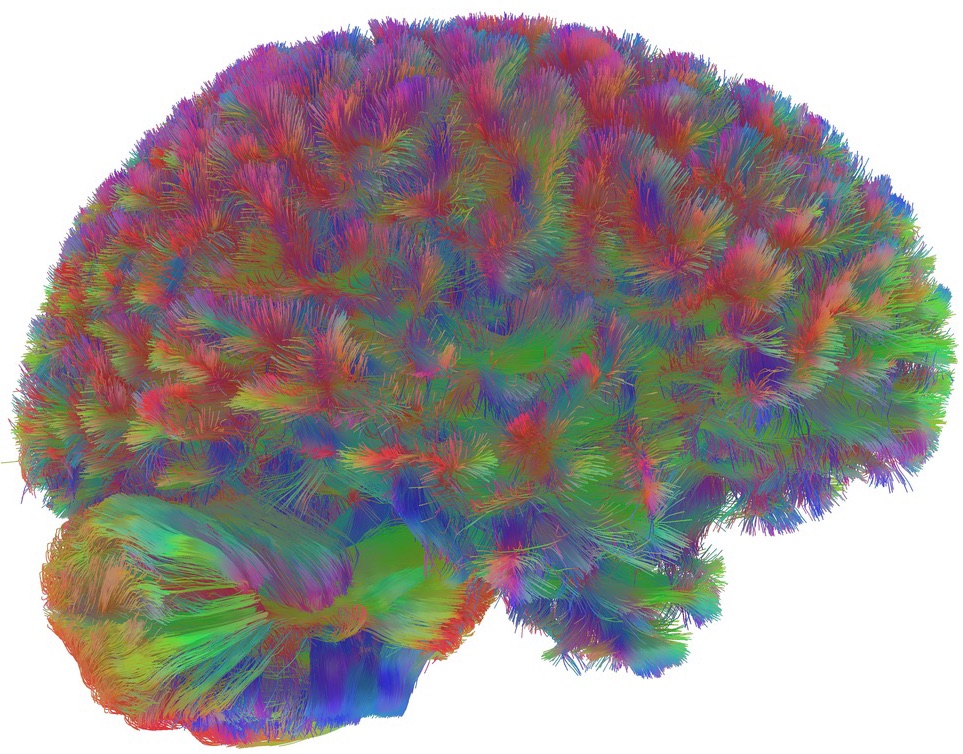
The five major “epochs” of human brain development, identified by a recent study, are Childhood(birth to age 9), Adolescence (9 to 32), Adulthood (32 to 66), Early Aging (66 to 83), and Late Aging (after 83). These epochs are characterized by distinct patterns of neural rewiring, with major turning points occurring at ages 9, 32, 66, and 83.
The five epochs of brain development
- Childhood (Birth to age 9): The brain’s neural connections are consolidated, with excess synapses being pruned and the more active ones surviving. During this period, there is rapid growth in gray and white matter, and cortical folding stabilizes.
- Adolescence (Ages 9 to 32): The brain undergoes a major rewiring and refinement of its communication networks. This is an era of highly efficient connections, both within specific brain regions and across the entire brain, which is linked to enhanced cognitive performance. It is also a time when many mental health disorders are first diagnosed.
- Adulthood (Ages 32 to 66): This is the longest epoch, during which the brain largely stabilizes. While it continues to change, the rewiring is slower and less dramatic compared to earlier stages.
- Early Aging (Ages 66 to 83): Brain regions begin to work more independently, and overall connectivity starts to decline as white matter degenerates. This is a period of gradual reorganization of brain networks.
- Late Aging (After age 83): The brain’s overall connectivity declines more sharply. The brain relies more on certain regions and shifts from global to local processing.
 Dr Bob, Brain Mechanic