
Holika comes from a Hindu myth and is connected to the spring festival Holi. The word refers to both a mythological figure and the bonfire ritual called Holika Dahan.
In the legend, Holika was the sister of the demon king Hiranyakashipu. The king demanded everyone worship him instead of the god Vishnu. His son Prahlada refused and remained devoted to Vishnu.
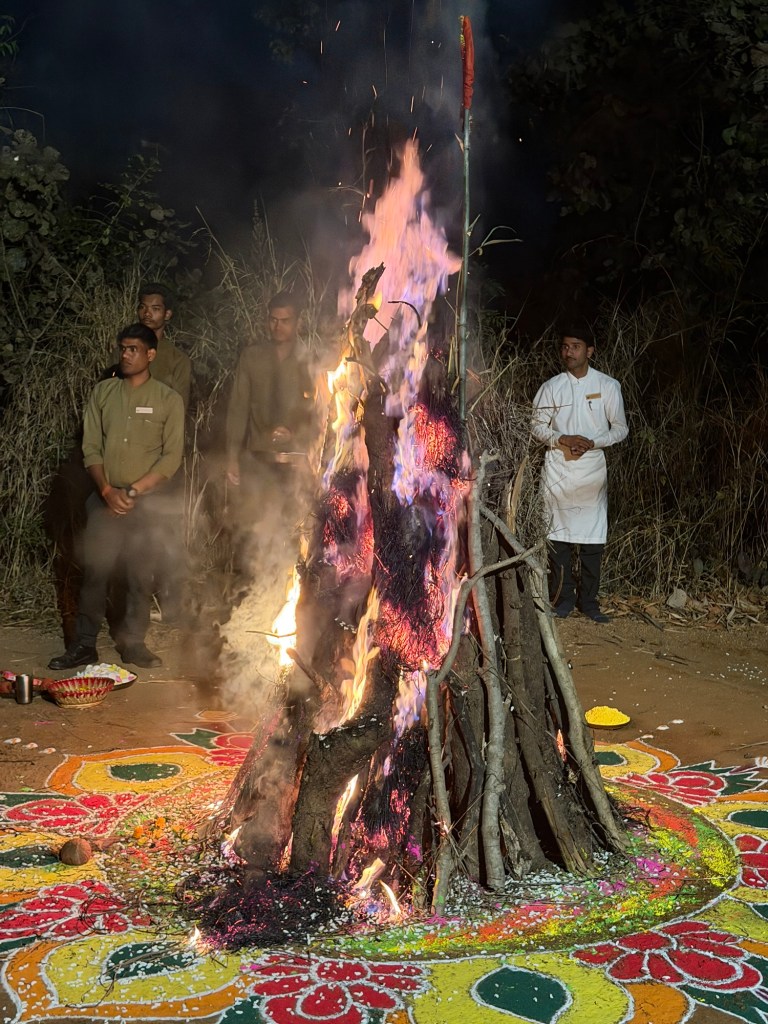
Hiranyakashipu asked Holika to kill the boy. She had a magical cloak that supposedly made her immune to fire, so she sat in a burning pyre with Prahlada on her lap.
The story twists in a very mythological way:
Holika’s protection failed because she used it for evil. Prahlada’s devotion protected him. Holika burned while Prahlada survived.
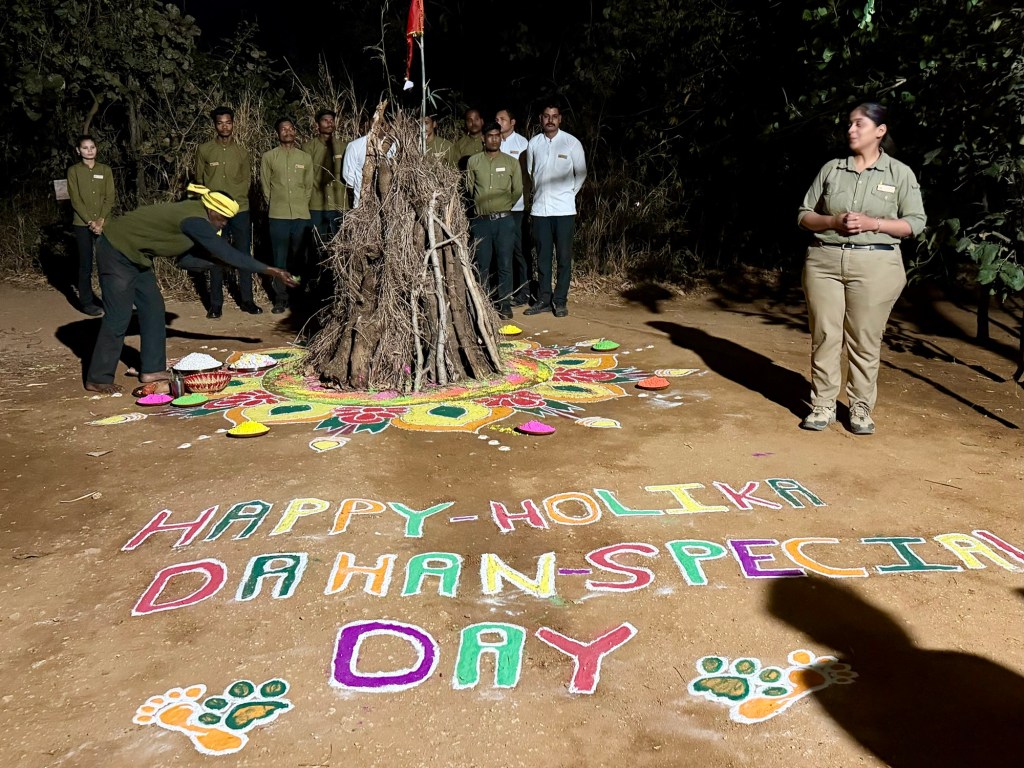
From this story comes Holika Dahan, the ritual bonfire held the night before Holi across India.
What the ritual symbolizes:
Victory of good over evil Burning away negativity or arrogance End of winter and arrival of spring
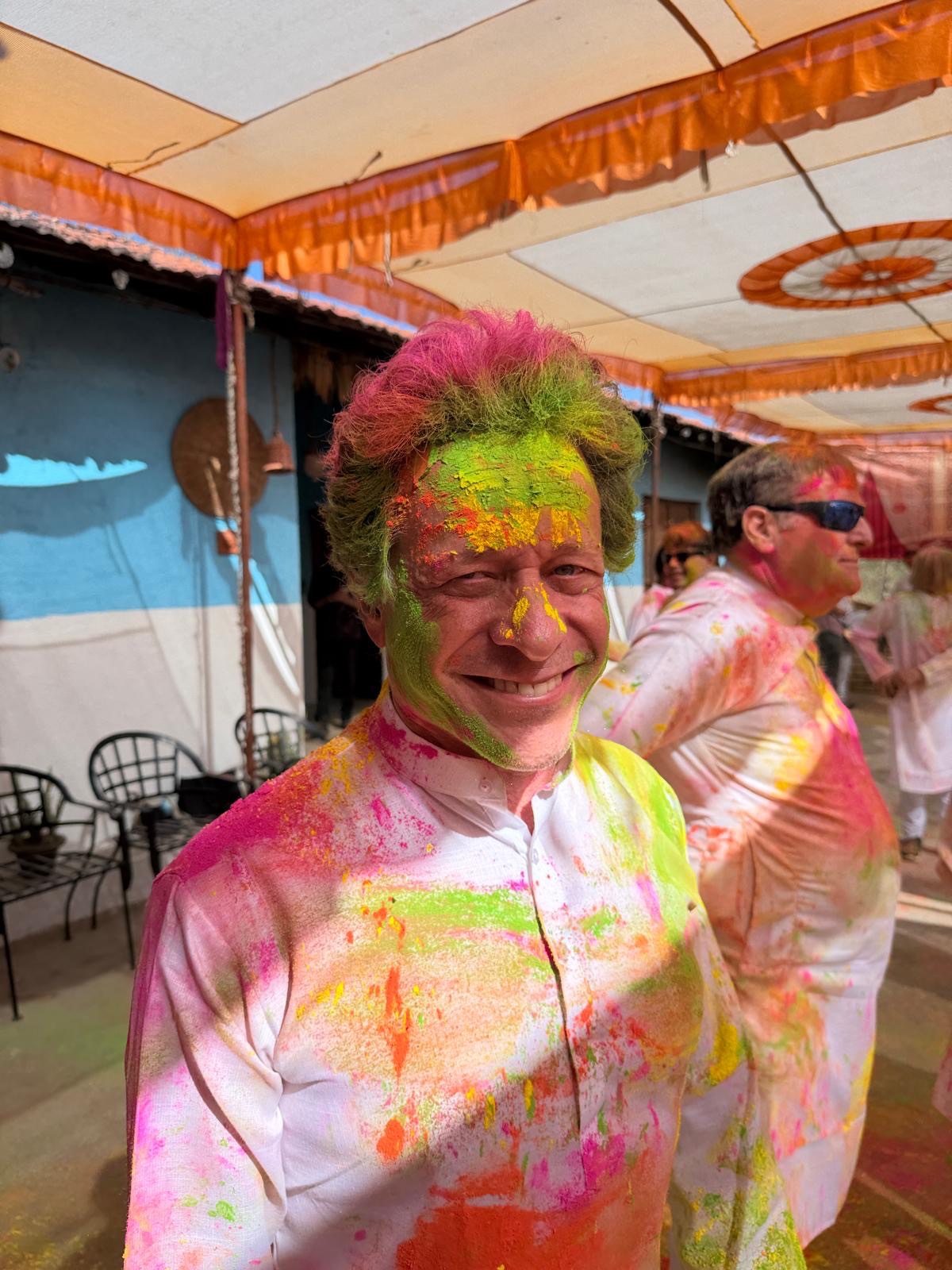
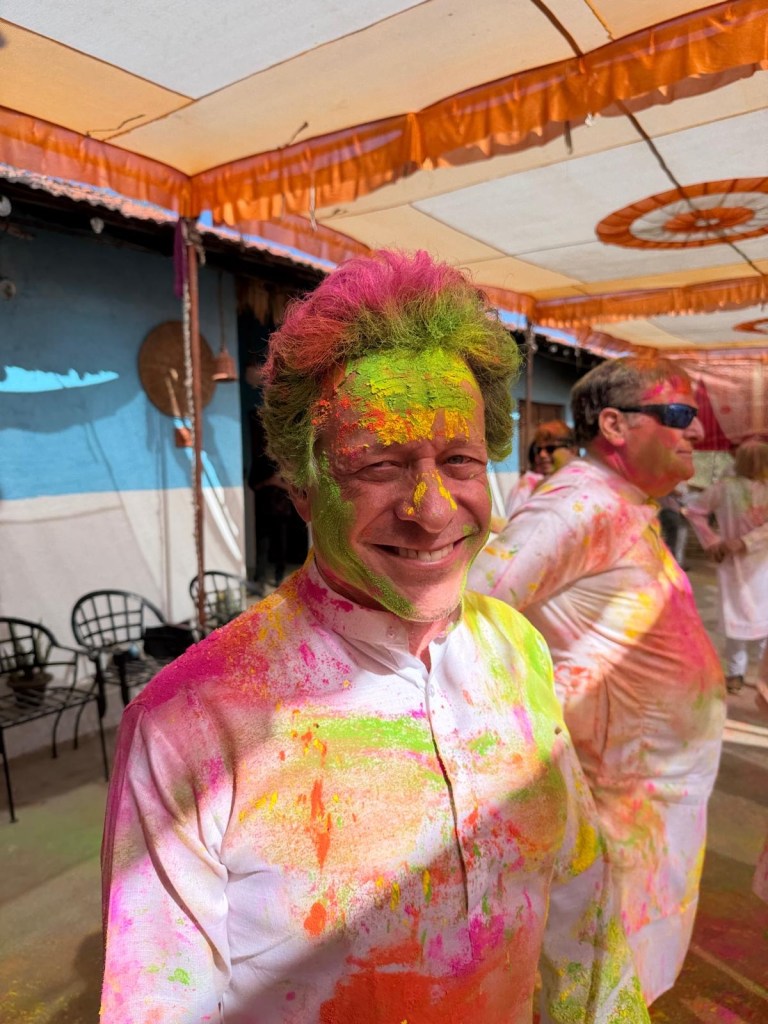
People gather around the fire, throw offerings like grains or coconuts into it, and circle the flames. The next day becomes Holi, the famous festival where people throw colored powders and celebrate spring.
From an anthropological angle, the bonfire likely combines ancient seasonal fire rituals with the later mythological story. Many cultures light spring fires to mark renewal. India wrapped that ancient instinct in a vivid myth about pride, devotion, and cosmic justice.
 Dr Bob, Brain Mechanic