
Kyoto is the cultural heart of Japan, a city where centuries-old traditions coexist with modern life. From the iconic vermillion gates of Shinto shrines to the serene beauty of Zen gardens, the city offers an unparalleled look into Japan’s history and spiritual heritage.
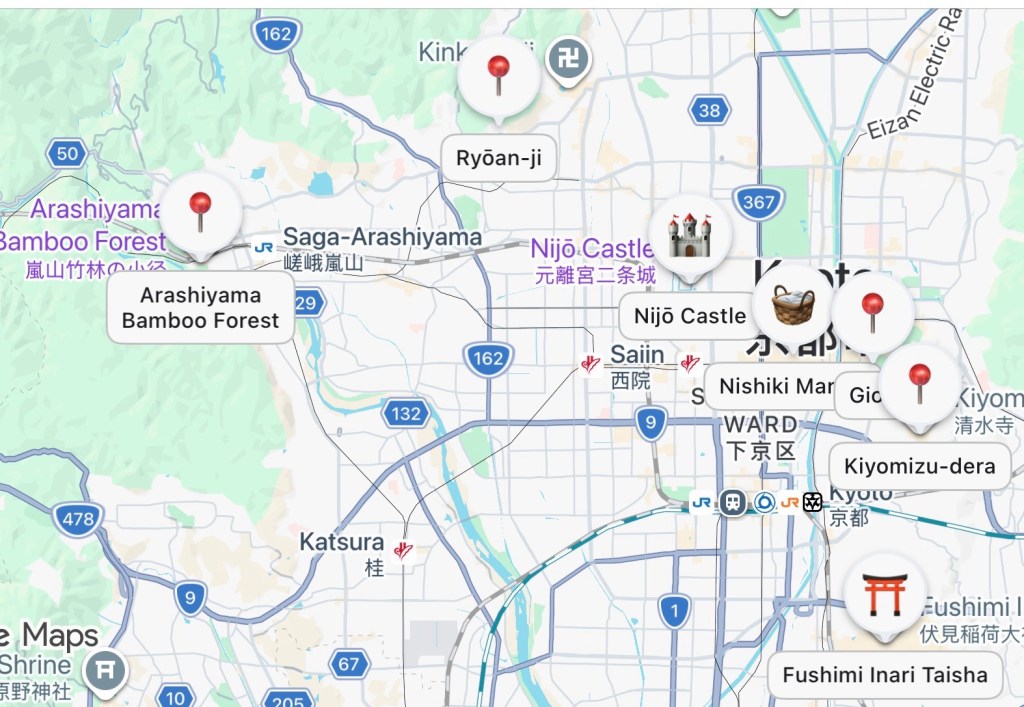
Iconic Shrines and Temples
Kyoto is home to over 1,600 temples, but a few stand out as essential visits for their historical significance and architectural beauty.
Fushimi Inari Taisha is perhaps the most famous shrine in Japan, dedicated to Inari, the Shinto god of rice and prosperity.
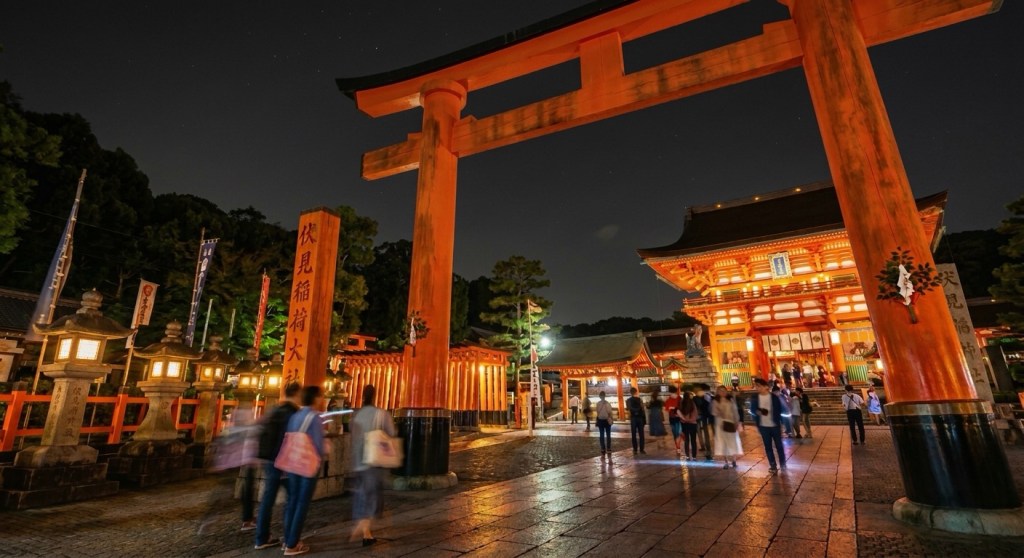
- Features thousands of vibrant torii gates that form a winding path up Mount Inari.
- Open 24 hours a day, making it a great spot for a sunrise or evening hike to avoid the largest crowds.
- Known for its numerous fox statues, which are believed to be the messengers of Inari.
Kinkaku-ji (The Golden Pavilion) is a Zen temple whose top two floors are completely covered in gold leaf, reflecting brilliantly over the Kyoko-chi (Mirror Pond). - Showcases different architectural styles on each floor: Shinden, Samurai, and Zen.
- The surrounding stroll garden is considered a prime example of Muromachi period garden design.
Kiyomizu-dera is a massive Buddhist temple complex perched on Mount Otowa, offering some of the best panoramic views of the city.
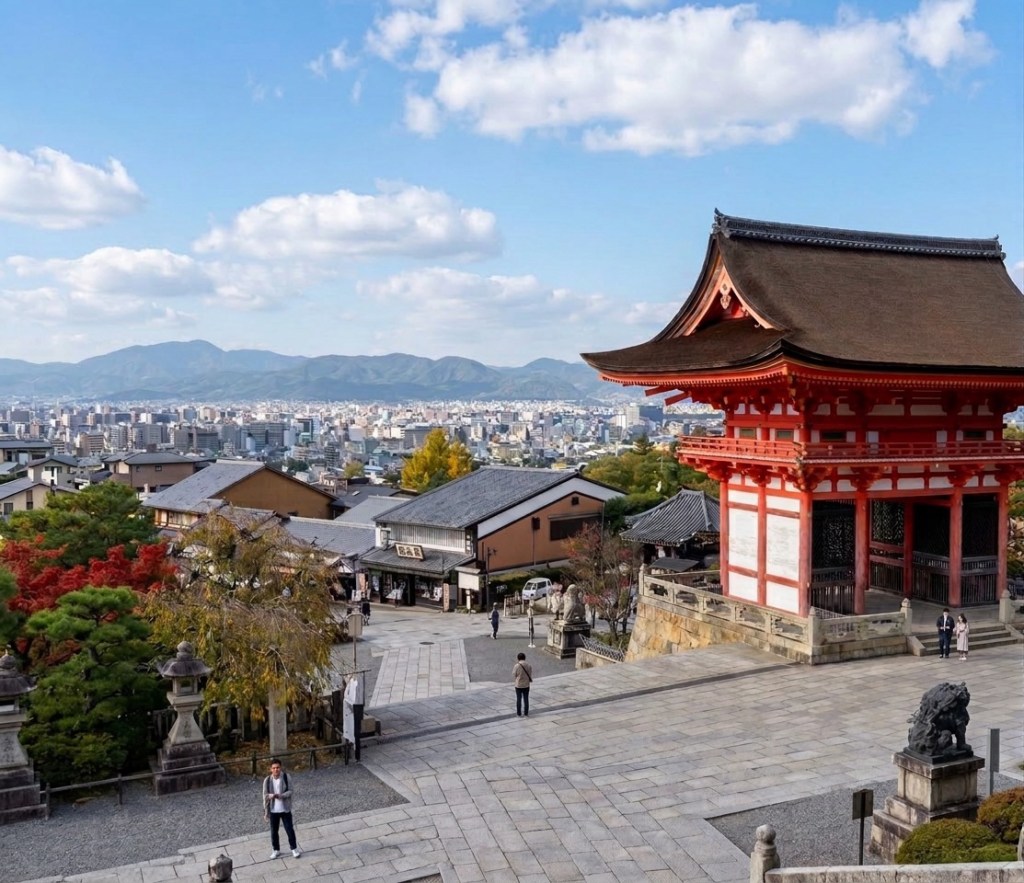
- Famous for its large wooden stage that was built without the use of a single nail.
- Visitors often drink from the Otowa Waterfall on-site, as the three streams are said to grant wishes for longevity, success, or love.
Ryōan-ji is world-renowned for its karesansui (dry landscape) rock garden, the ultimate expression of Zen philosophy.
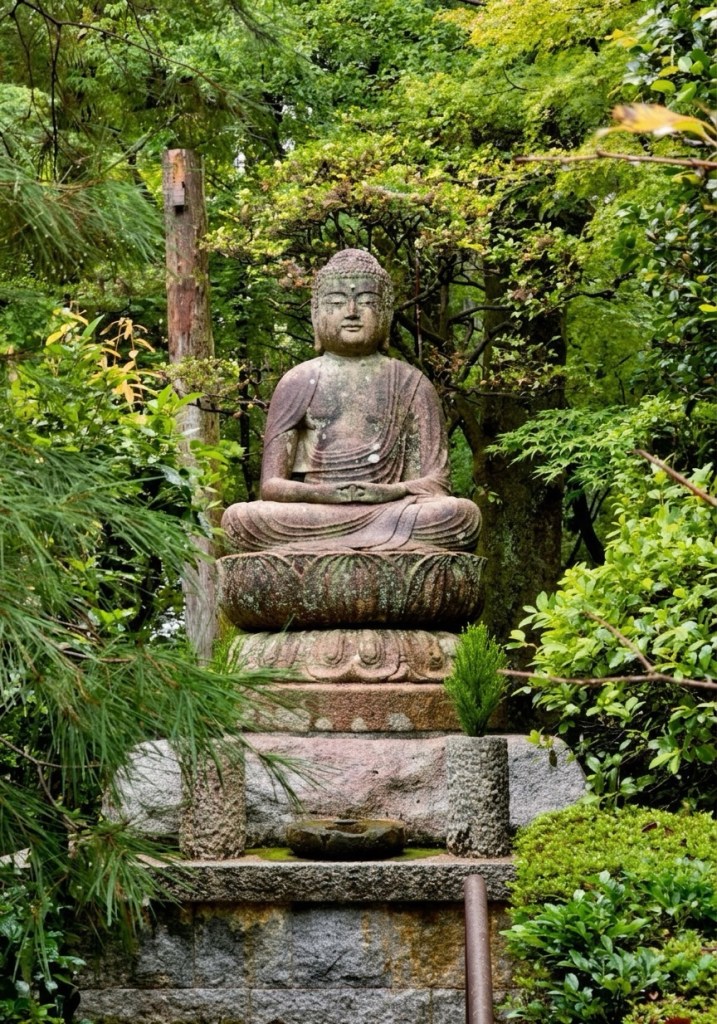
- The garden consists of 15 rocks arranged in white gravel, positioned so that at least one rock is always hidden from any viewpoint.
- Provides a quiet atmosphere perfect for meditation and contemplating the simplicity of Zen art.
Natural Beauty and History
Beyond the temples, Kyoto offers unique natural landscapes and preserved historical districts that transport you back to the Edo period.
Arashiyama Bamboo Forest is one of the most photographed locations in Kyoto, featuring a path that cuts through soaring stalks of bamboo.
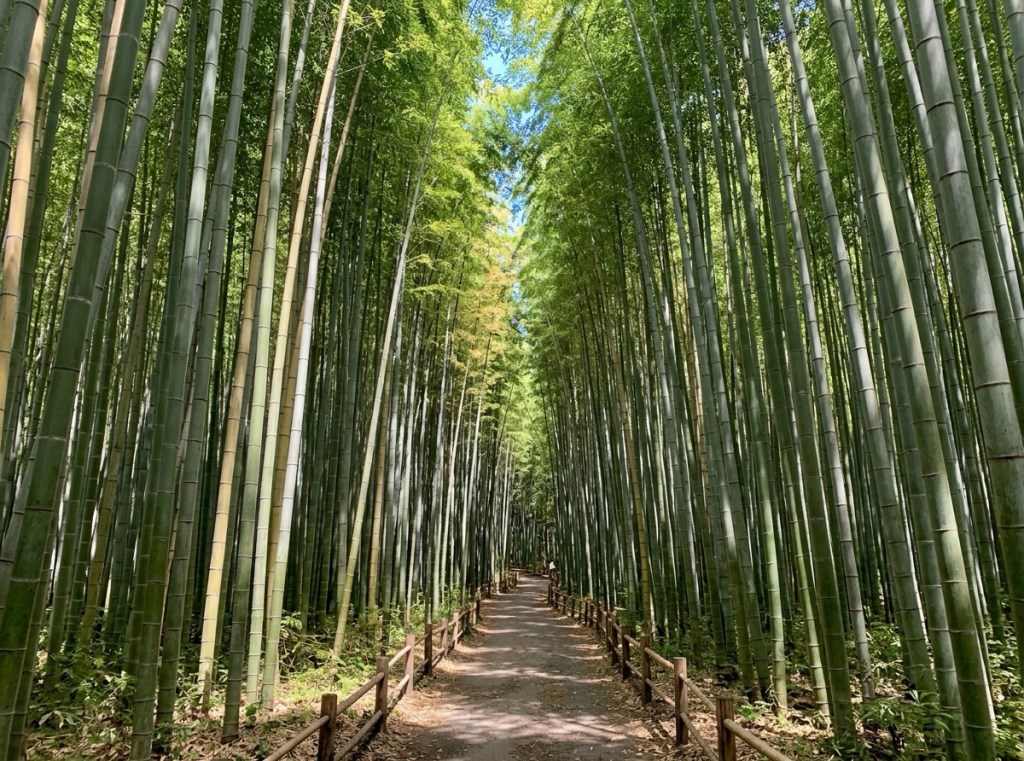
- The sound of the wind through the bamboo is officially designated by the Ministry of Environment as one of the “100 Soundscapes of Japan.”
- Located near the Tenryu-ji Temple, making it easy to combine with a visit to a World Heritage Zen garden.
Nijō Castle served as the residence of the Tokugawa Shogunate and is a powerful symbol of the shogun’s authority over the Emperor.
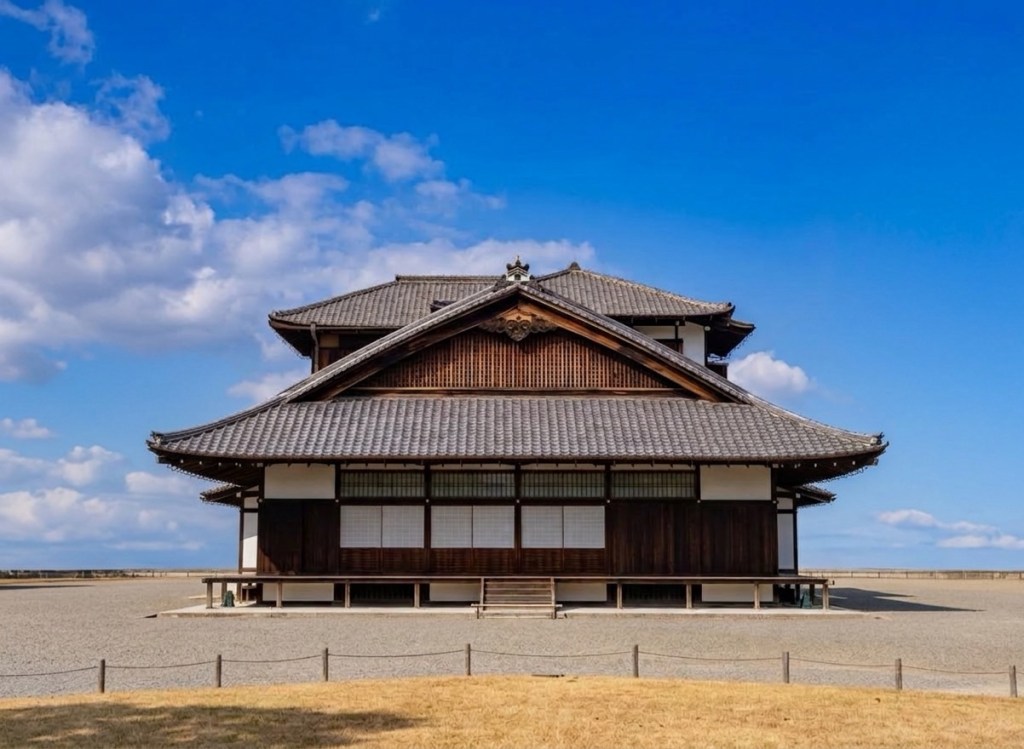
- Famous for its “nightingale floors,” designed to chirp when walked upon to alert the shogun of potential assassins.
- Features the Ninomaru Palace, where visitors can see intricate wood carvings and sliding doors painted by the Kano school.
Culture and Gastronomy
For a taste of local life, explore the narrow alleys and bustling markets that define Kyoto’s food scene and geisha culture.
Nishiki Market is known as “Kyoto’s Kitchen,” a lively five-block shopping street lined with more than a hundred shops and restaurants.
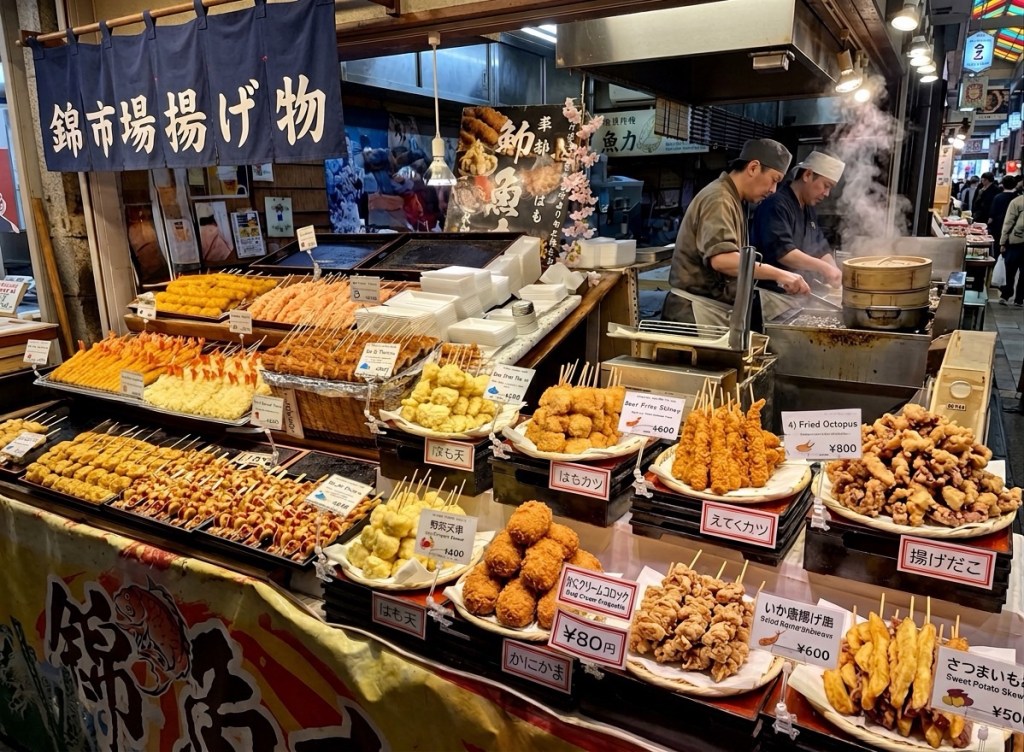
- Offers local specialties like tako tamago (small grilled octopus stuffed with a quail egg) and fresh dashimaki tamago.
- A great place to shop for traditional cookware, dried seafood, and Kyoto-style pickles (tsukemono).
Gion is Kyoto’s most famous entertainment district, where the traditions of geiko (geisha) and maiko (apprentices) are still very much alive.
- The Hanami-koji area is lined with well-preserved machiya (traditional wooden townhouses) and exclusive teahouses.
- Ideal for a late afternoon walk to catch a glimpse of maiko heading to their evening appointments.
 Dr Bob, Brain Mechanic