
Scientists have achieved a breakthrough in decoding the “inner voice”, the words people imagine saying, using brain-computer interfaces, offering new hope for patients with paralysis or severe speech impairments. The technology can now translate imagined speech into text, raising both exciting possibilities and important ethical questions about mental privacy.
How the Technology Works
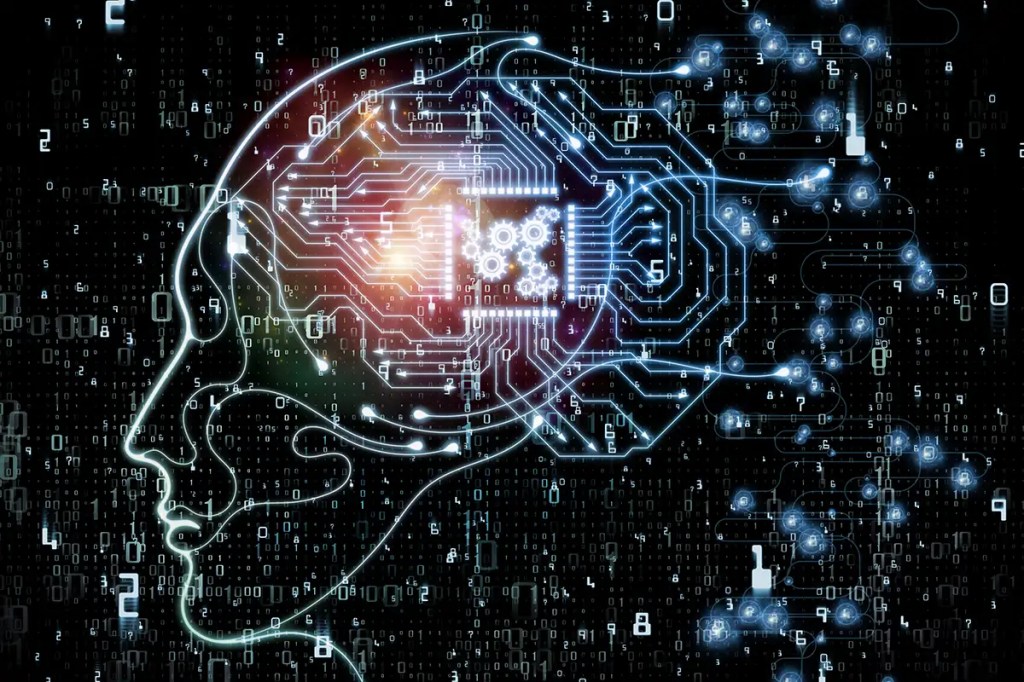
Microelectrode arrays were implanted in the motor cortex of participants, which recorded neural patterns while they attempted or imagined speech. Researchers found that inner speech triggers similar, though weaker, brain activity compared to attempted speech. Artificial intelligence models trained on these signals can now interpret imagined words from a vocabulary of up to 125,000 words, reaching up to 74% accuracy in some cases.
Implications for Patients
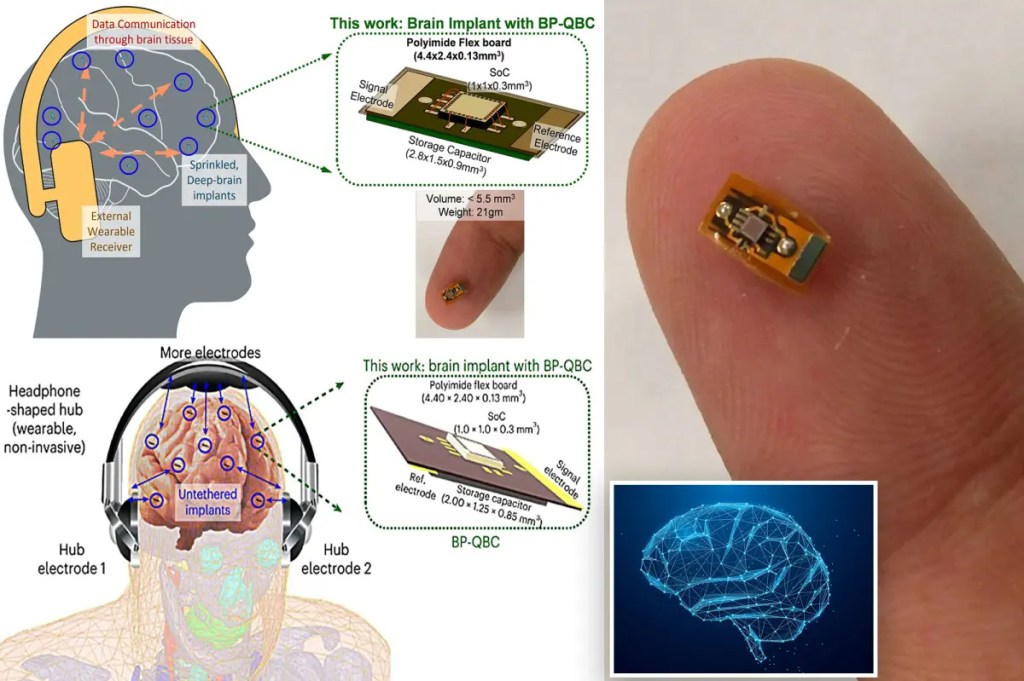
The inner speech decoding system could greatly help people with ALS or locked-in syndrome communicate more naturally and comfortably. Since imagining words is less tiring than attempting speech for many, this method may allow longer, easier conversations using only thoughts.
Privacy and Control
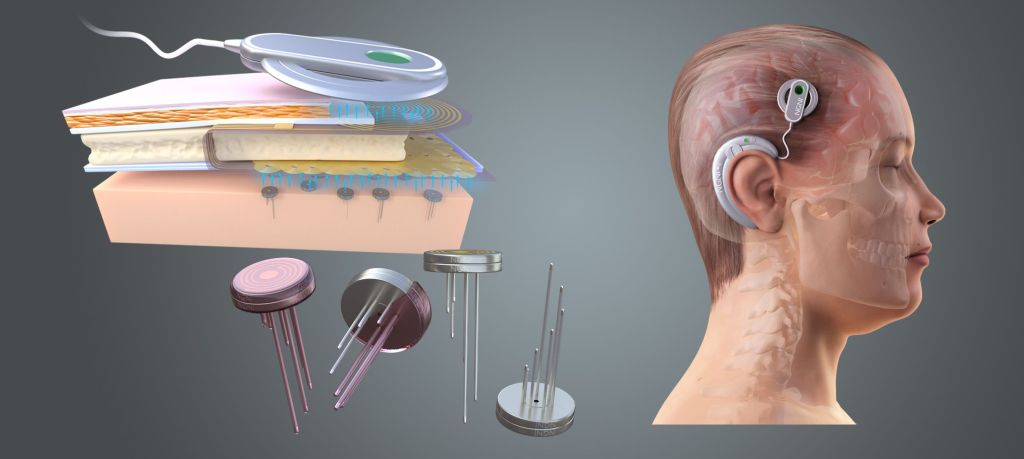
The new research also addresses mental privacy. Sometimes, the interface unexpectedly decoded words participants did not intend to say, such as numbers silently counted during a cognitive task. To prevent unauthorized decoding, scientists introduced a thought-based password (“Chitty Chitty Bang Bang”) that must be imagined to activate the decoder—this was recognized with 98% accuracy.
Limitations and Future Directions
Currently, the system is best at recognizing simple, commanded inner speech, not spontaneous thoughts or complex open-ended ideas. More sensors, better algorithms, and privacy safeguards may further improve both accuracy and ethical control in the coming years.
In summary: Decoding imagined speech via brain implants is now reality, empowering patients with new ways to communicate, but making privacy controls essential for safeguarding the mind
 Dr Bob, Brain Mechanic