
Delaware Faces Another Health Care Cost Surge
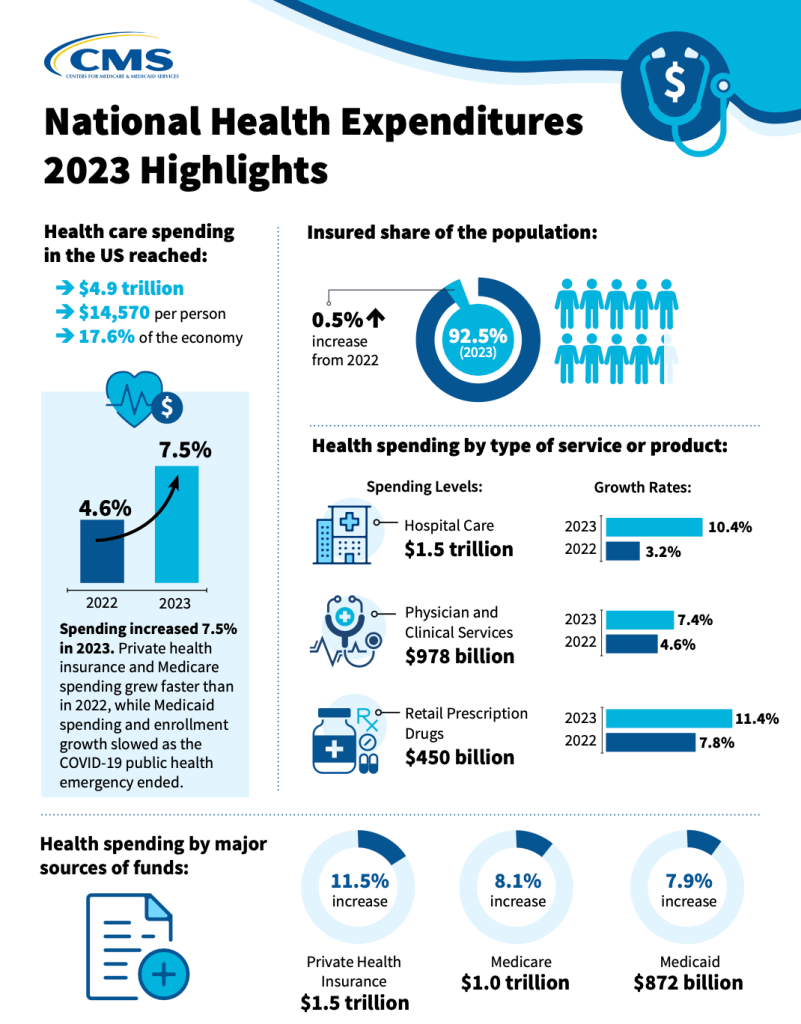
Delaware’ residents are bracing for another spike in health care costs next year, with projections showing an 8.5% increase in spending on hospitals, pharmaceuticals, and medical care for 2026. That’s bad news for Delawareans already shelling out over $10,500 a year—far beyond the pace of inflation.
Why Should Anyone Care?
When hospital costs soar, it doesn’t just hurt patients. It strains state budgets, squeezes Medicaid, and drives up retiree benefit costs. Delaware’s infamous hospital price tag is among the nation’s worst, pushing lawmakers to set up boards that aim to keep spending in check. One sets targets. The other can veto hospital budgets deemed excessive, but that move is far from popular with the hospital industry (wonder why?)
Reform Efforts: Goals, Boards, and Battles
Delaware is one of eight states aiming to rein in the health care industry by setting government spending benchmarks. But so far, those targets have mostly been missed. The latest debate? Whether Delaware should set a goal to tame spending increases that’s tougher than the national projections. Leaders are wary: unless they see solid data to back up a lower target, there’s little appetite for change.
Legal Standoff: Hospitals vs. State
As state officials debated new benchmarks, a high-stakes lawsuit paused the regulatory action. Delaware’s largest hospital system, ChristianaCare, is suing to challenge the authority of the Diamond State Hospital Cost Review Board. For now, courtroom drama is on hold until late September, leaving uncertainty about whether reform or runaway spending will win out.
My Take
The current collapse of primary care and private practices in Delaware, which have faced a staggering 30% decrease in payments over the years, has ignited an acute healthcare crisis leading directly to severe shortages in access and soaring costs for residents as the hospital industry consolidates its grip and has absorbed most independent private practices. The evidence is clear: unless the Federal Government steps up to robustly support primary care and private practices and shifts incentives away from expensive, episodic emergency care, Delawareans (and Americans) will continue to pay much more for much less health coverage.
Devastating Shortages and Cost Spirals
- Delaware now meets only 16% of its residents’ primary care needs, ranking last in the country for access, with dozens more physicians required statewide simply to meet baseline demand.
- Wait times have ballooned to weeks and even months, forcing residents into urgent care or ER visits for basic needs like blood pressure medications—services that are vastly more expensive and offer no preventive nor follow-up care.
- High costs are compounded as more providers join large hospital systems, diminishing competition and choice while raising prices for procedures and visits.
Why Primary Care Matters
- Primary care appointments cost between $75–$150 per visit, with insurance copays as low as $20–$50, providing ongoing management, prevention, and follow-up.
- In contrast, urgent care runs $150–$200 and emergency room visits often exceed $2,000 or more, with no continuity or cost-saving prevention.
- Without access to primary care, serious conditions go undiagnosed until patients require emergency interventions, which are “orders of magnitude” more expensive and riskier to public health.
Needed Federal Action
- Federal and state policymakers must prioritize reimbursement reform, direct funding for primary care training and loan forgiveness, and build incentives for private practice growth and sustainability.
- De-incentivizing non-emergency ER use not only slashes costs but improves health outcomes through coordinated, preventive, and continuous care.
- Emergency care, while vital for true crises, cannot replace the comprehensive benefits of primary and preventive medicine for a healthier population.
Urgent federal and State intervention is essential to rescue Delaware’s primary care infrastructure, restore affordable access, and shift incentives away from costly emergency care towards sustainable, high-value health care for all residents
The Bottom Line
Delaware’s health care costs have blown past targets and show no signs of slowing, with patients and the public set to bear the burden. Hold tight: the final benchmark decision and legal outcome on HB350 might (or probably won’t) help shape Delaware’s price of staying healthy.
 Dr Bob, Brain Mechanic