
A recent and important PBGH white paper reveals the fundamentally chaotic and arbitrary nature of U.S. commercial healthcare pricing, demonstrating that provider rates have no correlation to quality and vary dramatically without logical justification 😳

Key Findings
The study analyzed data from five major employers (including Boeing, Qualcomm, and Denver’s city/county government) across multiple geographic markets, combining transparency in coverage data, hospital price transparency files, and quality metrics. The results expose several disturbing patterns in commercial healthcare pricing.
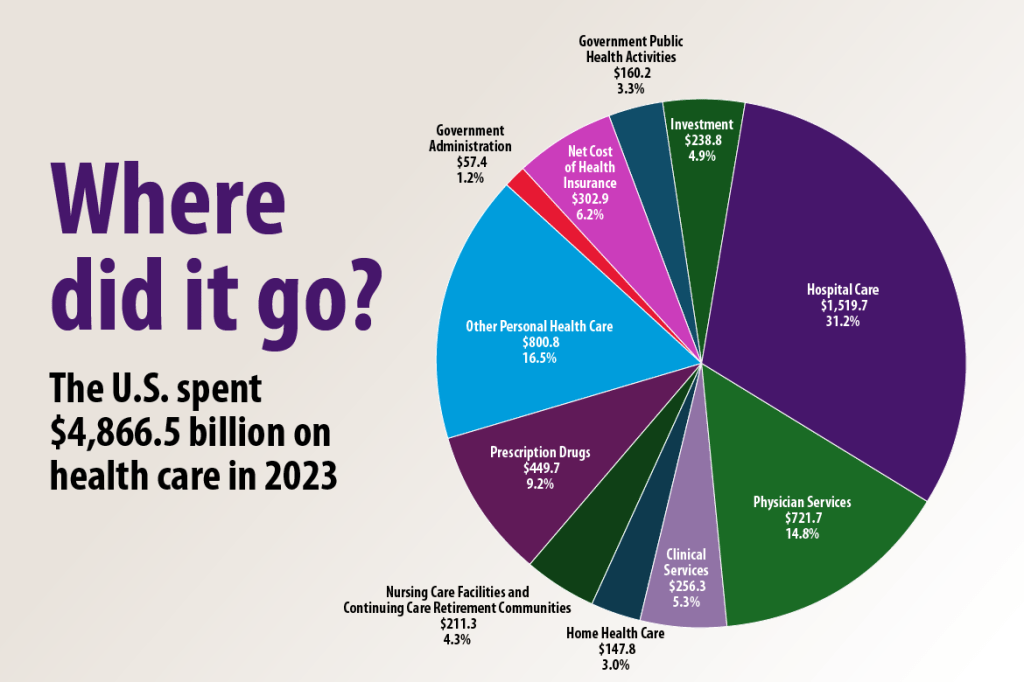
Pricing Chaos: Commercial negotiated rates vary “arbitrarily and drastically” compared to Medicare’s structured regional adjustments. The paper cites a cesarean section costing $11,547 in Chicago versus $27,199 in Northern California—a difference far exceeding reasonable regional cost variations. Unlike Medicare’s systematic approach using wage indexes and other structured factors, the commercial market operates without coherent pricing logic.
Quality Disconnect: Perhaps most damaging to the system’s credibility, higher prices show minimal correlation with better clinical outcomes. Some lower-priced providers actually outperform expensive ones on standardized quality measures, suggesting that brand recognition and negotiating power—not clinical excellence—drive pricing.
Market Dynamics
The research identifies provider market power, brand loyalty, and positioning as primary price drivers rather than superior outcomes. This creates a system where reputation and leverage matter more than results, fundamentally undermining healthcare’s value proposition.

The study also reveals persistent transparency illusions: Many providers still share only “average regional discounts off billed charges” rather than actual negotiated rates, preventing meaningful price comparison.
Systemic Impact
As Elizabeth Mitchell, PBGH’s CEO, notes, this opacity has enabled decades of overcharging because “the health care industry has fought to keep pricing hidden”. The human cost manifests in increased patient financial burden, surprise billing, and care avoidance due to cost concerns.
Critique and Limitations
While the analysis appears methodologically sound, combining multiple data sources across geographies and specialties, Christina Farr acknowledges conducting only a skim rather than deep methodology review. The study’s power lies in its unprecedented scope—the first to correlate actual claims data with transparency files and quality metrics for commercial markets.
However, the analysis primarily serves employer interests rather than addressing broader systemic reform. The recommended solutions focus on employer negotiation tactics rather than structural changes to address market failures.[1]
Reform Implications
The paper’s recommendations center on employer empowerment: demanding real negotiated rate data, aggressive benchmarking, and vendor accountability tied to both cost and quality. While practical for large employers, these solutions don’t address underlying market concentration and pricing power that create the problems.
The study reinforces arguments for systematic healthcare reform rather than incremental fixes. As Farr concludes, “This system cannot be ‘fixed’ by tweaks. We need structural re-alignment: policies, enforcement, accountability”. The evidence suggests that without addressing provider market power and implementing true price regulation, transparency alone cannot resolve the fundamental arbitrariness plaguing American healthcare pricing.
https://secondopinion.media/p/this-white-paper-shows-how-insane-the-u-s-healthcare-system-is-0b73
https://www.pbgh.org/program/transparency-affordability/
https://www.pbgh.org/initiative/pbgh-health-care-data-demonstration-project/
https://www.globenewswire.com/news-release/2025/10/14/3166312/0/en/Purchaser-Business-Group-on-Health-Unveils-Breakthrough-Data-Demonstration-Project-Empowering-Employers-to-Expose-Hidden-Costs-and-Hold-Vendors-Accountable.html
https://www.fiercehealthcare.com/payers/pbgh-launches-data-project-aimed-arming-employers-accurate-pricing-information
https://emboldhealth.com/resources/blog/are-we-there-yet-making-transparency-work-for-purchasers-and-patients
https://www.pbgh.org/tag/price-transparency/
https://www.bbrown.com/us/insight/2025-healthcare-cost-outlook-drivers-trend-insights/
https://www.linkedin.com/posts/mike-gaal_pricetransparency-actuary-activity-7366531292764565506-bmw0
https://www.pbgh.org/results-of-pbgh-transparency-initiative-provide-employers-with-new-insights-on-commercial-health-care-pricing-quality-value-register-for-virtual-event-9-24-to-learn-more/
https://www.urban.org/sites/default/files/2025-06/Marketplace-Premiums-in-2025.pdf
https://www.lugpa.org/healthcare-price-transparency-update
https://www.healthaffairs.org/do/10.1377/forefront.20251015.235112/full/
https://www.milliman.com/en/insight/commercial-reimbursement-benchmarking-medicare-ffs-rates-2025
https://www.pbgh.org/messaging_toolkit_categories/transparency/
https://www.marketwatch.com/press-release/purchaser-business-group-on-health-unveils-breakthrough-data-demonstration-project-empowering-employers-to-expose-hidden-costs-and-hold-vendors-accountable-a8441c64
https://www.pwc.com/us/en/industries/health-industries/library/behind-the-numbers.html)
https://www.brookings.edu/articles/the-hospital-price-transparency-rule-is-working-but-patients-still-need-help-using-it/
https://connect.mbgh.org/mainsite2021/blogs/mbgh-information/2025/09/24/mbgh-employer-survey-finds-rising-health-care-cost
https://pmc.ncbi.nlm.nih.gov/articles/PMC12232185/
https://hbhi.jhu.edu/events/healthcare-price-transparency-regulation-data-and-implications-commercial-plans-and-pricing
 Dr Bob, Brain Mechanic