
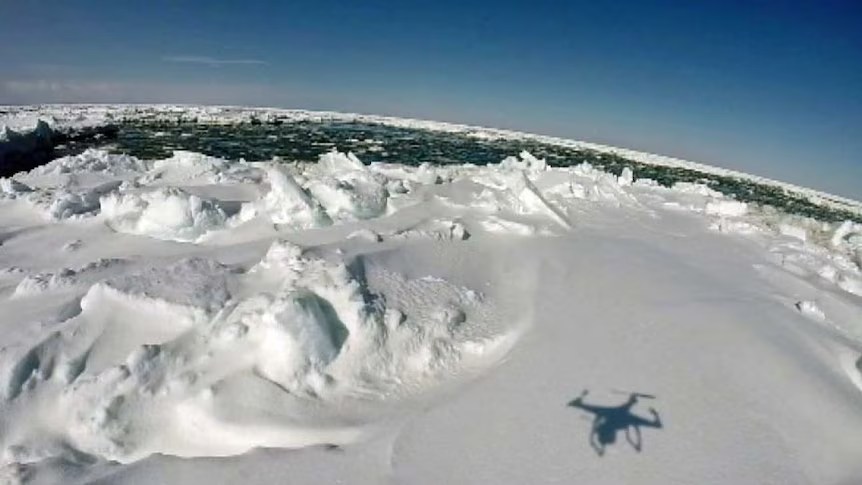
Taking a trip to Antartica in a few months with Johan Drone Adventures and did some research with the help of Claude on the need for and use of ND filters.
Drone Video
For drone video: Get an ND set. Antarctica is exactly where you’ll need them. Smooth-looking video depends on keeping your shutter speed roughly double your frame rate (the “180-degree” rule: about 1/60s at 30fps, 1/120s at 60fps). That shutter speed is what gives motion its natural blur.
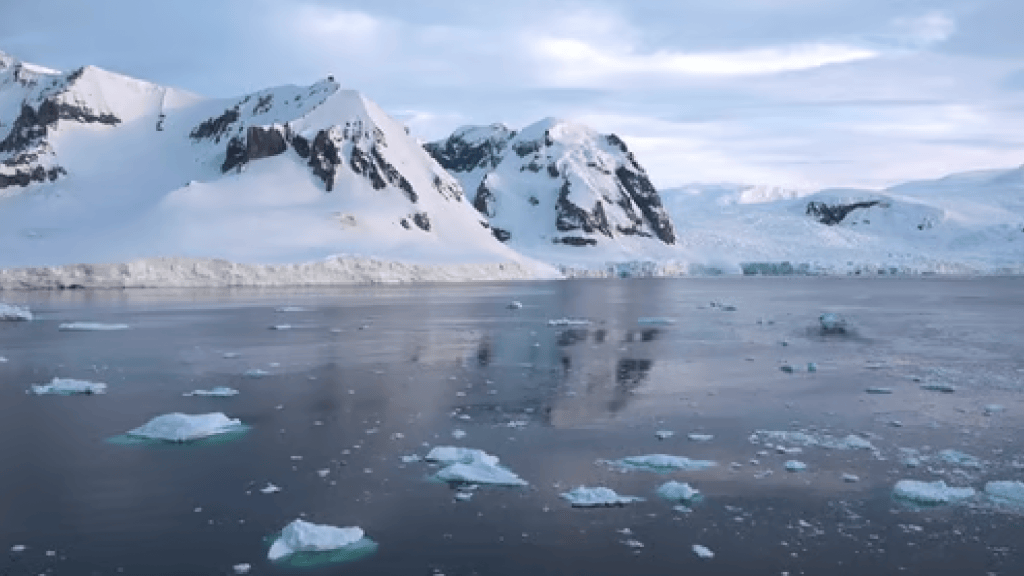
In blinding snow-and-ice glare, without an ND the drone is forced to a very fast shutter (1/2000s or more) to avoid blowing out, and fast-shutter video looks juddery and stuttery, especially on the slow pans and pushes that drone footage lives on.
On top of that, most consumer drones have a fixed aperture, so an ND filter is literally your only way to control the light for video.
Photography
For still photography: NDs are optional and situational. Between base ISO, a fast shutter (up to 1/8000 on most bodies), and aperture, you have plenty of range to expose blazing-white scenes without help. You’d only want an ND for stills to create a specific effect: shooting wide open for shallow depth of field in bright light (a portrait-style shot of a penguin at f/1.4), or long exposures to smooth water and drifting ice. For everyday Antarctic shooting, you don’t need one to prevent overexposure.
Exposure Considerations in Antartica
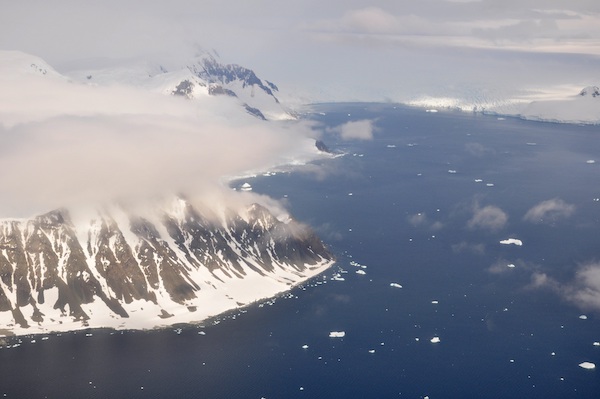
In fact, the sneaky exposure problem for Antarctic still photography runs the opposite direction from what you’d expect. Your meter sees all that white and tries to render it as neutral gray, which underexposes, leaving your snow dingy. The usual fix is to dial in positive exposure compensation (often +1 to +2 EV), shoot RAW, and watch your histogram to push brightness up while protecting the highlights from clipping. A circular polarizer is arguably more valuable than an ND for stills there as it cuts glare off ice and water, tames reflections, and deepens skies.
Antarctic-specific Practicalities
Given the glare, lean toward a set that includes stronger NDs (and consider ND/PL combo filters, which stack polarizing with the ND — handy over water and ice). A magnetic or quick-swap filter system is genuinely worth it when you’re changing filters with cold hands, wind, and salt spray on a Zodiac, where a dropped filter is gone for good. And watch for condensation when moving gear between the cold outside and a warm cabin. Let it acclimate in a bag. The cold will also chew through drone batteries far faster than usual, so that’s a bigger practical limiter on your flying than light ever will be.

