
The U.S. health system is fundamentally broken across several dimensions

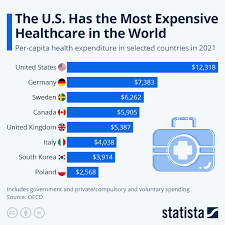
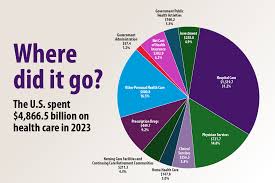
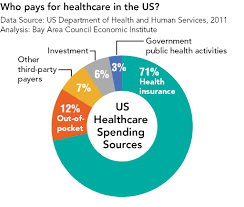
• Unaffordable: High costs burden both individuals (medical debt, especially for chronic illness) and the nation (nearly double per‑capita spending vs. peers).
• Incomplete coverage: 27 million uninsured today, potentially rising to ~40 million due to policy changes.
• Overly complex: Administrative hurdles—especially prior authorization—make care hard to access.
• Poor outcomes for the cost: Despite high spending, health outcomes lag behind other wealthy countries.
• Eroding institutional trust: Confidence in agencies like CDC and FDA has declined, posing risks in future crises.
• Primary care shortage: Access is limited, with some areas shifting toward concierge models.
• Political dysfunction: Partisan gridlock prevents major reform, leading to piecemeal fixes.
Bottom line: The U.S. system is neither truly market-driven nor effectively regulated, resulting in high costs, frustration, and uneven access, though it can deliver world-class care for those who can access and afford it.
Summarized from: A One-Pager on What’s Wrong with U.S. Health Care

