
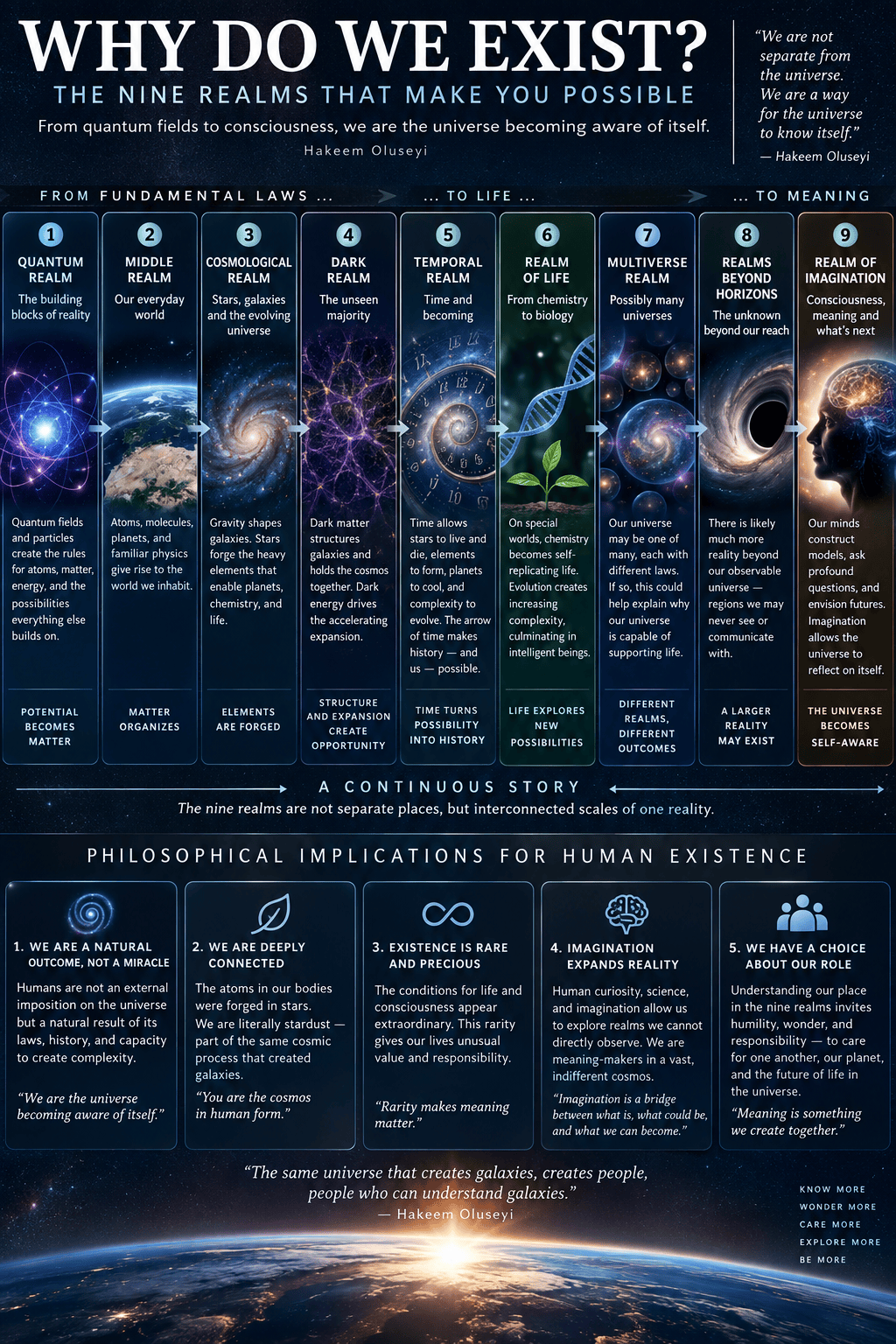
The Nine Realms of Universe that Make You Possible Book by astrophysicist Hakeem Oluseyi with Nils Johnson-Shelton, published in April 2026. Oluseyi’s central idea is that human existence becomes comprehensible when reality is viewed at several radically different scales. The laws governing quarks, people, stars, galaxies, and the universe appear very different, yet they areContinueContinue reading “Why Do We Exist?”
Category Archives: Philosophy
Remember Amalek
Biblical Scapegoating? In the aftermath of the October 7 attacks, Benjamin Netanyahu invoked a powerful biblical phrase: “Remember what Amalek has done to you.” He later clarified that he was referring to Hamas, not Palestinians as a whole. But the word itself carries a gravity that cannot be easily contained. “Amalek” is not simply anContinueContinue reading “Remember Amalek”
“The Elephant and the Angels”: An Analysis
This essay by John Murray Cuddihy, published in Uncivil Religion: Interreligious Hostility in America (eds. Robert N. Bellah & Frederick E. Greenspahn, Crossroad, 1987), is a provocative sociological and theological critique of what Cuddihy calls “Jewish theodicy”, the way Jewish discourse handles the problem of evil, specifically anti-Semitism, and argues that this discourse carries anContinueContinue reading ““The Elephant and the Angels”: An Analysis”
What Happens When We Die?
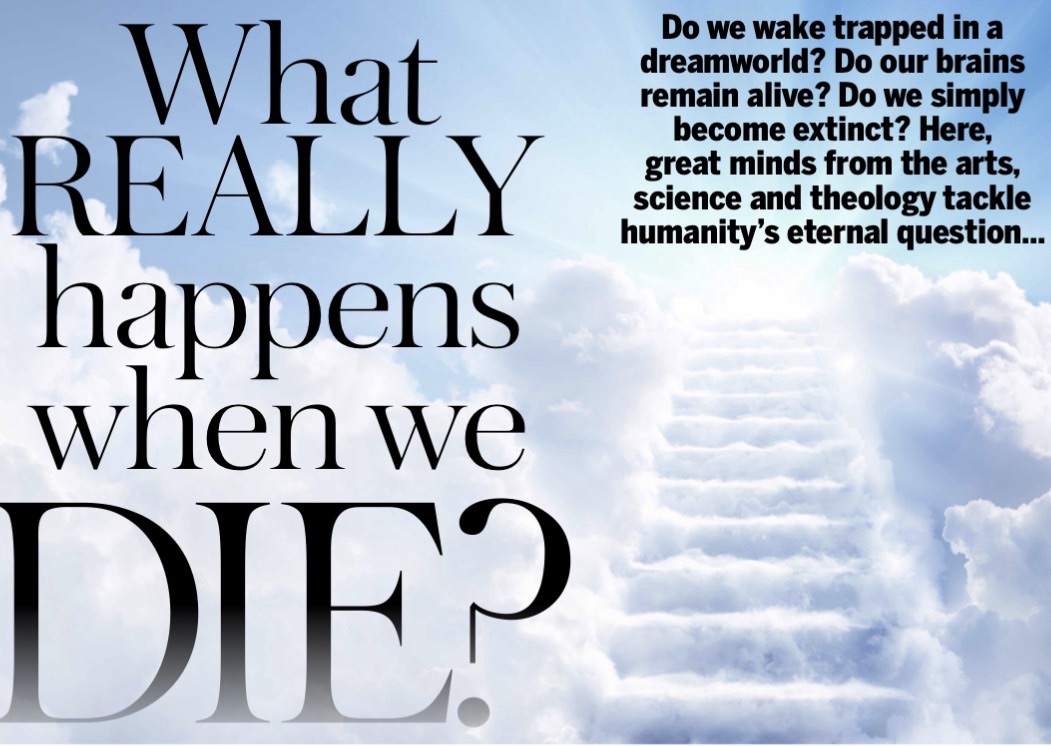
What happens to us when we really die? Lots of different opinions on this one. Which one do you subscribe to? Paulo Coelho: Death is ever-present and learning to live with its inevitability transforms how we live now. He shares personal practice (imagining being buried alive) to show that confronting death directly fosters appreciation ofContinueContinue reading “What Happens When We Die?”
Peter Thiel’s Apocalypse
Audio Version (please click for RSS) Overcast Link Faith, Fear, and the Future of Technology Yet another billionaire’s attempt to warp, manipulate and re-interpret the Bible for his own world view? Peter Thiel, the billionaire investor behind some of Silicon Valley’s most powerful technology firms (and JD Vance!), is urging audiences to see the futureContinueContinue reading “Peter Thiel’s Apocalypse”
The Risks of “Seemingly Conscious AI
Click for Audio Version (AI Generated 😬) This is an area that I’ve been thinking about for some time. What if an an AI model took control of a corporation, which in the US has certain rights mirroring personhood (see Citizen’s United Supreme Court decision?) Would the AI model then be able to legally actContinueContinue reading “The Risks of “Seemingly Conscious AI”
The end of the anti‑liberal moment
After 9/11, the 2008 financial crisis, and Trump’s election, critics from both the right (e.g. Sohrab Ahmari’s post‑liberal movement) and the left (e.g. Samuel Moyn’s critiques of tyrannophobia) declared liberalism outdated and broken . Right-wing drift and retrenchment: Post-liberals like Ahmari originally advocated discarding liberal pluralism in favor of a socially conservative, Christian-ordered state. WithContinueContinue reading “The end of the anti‑liberal moment”
Summary: ‘Collapse Awareness is just the Beginning’
How to adapt and live well inside it “Collapse awareness is just the beginning” by Gabrielle Feather discusses the concept of “collapse awareness,” which refers to the recognition and acceptance of the ongoing process of societal and ecological collapse. The author argues that simply being aware of this collapse is not enough; it is merelyContinueContinue reading “Summary: ‘Collapse Awareness is just the Beginning’”
Hobbes vs Locke
Thomas Hobbes and John Locke both wrote during times of political turmoil in England, but they arrived at starkly different conclusions about human nature, the role of government, and the social contract. 1. Human Nature Hobbes: Believed humans are naturally selfish, brutish, and driven by fear and desire for self-preservation. In the state of nature, lifeContinueContinue reading “Hobbes vs Locke”
Anthony Ashley-Cooper, the Third Earl of Shaftesbury
A pivotal figure in early 18th-century moral philosophy, aesthetics, and political thought. Though less well-known today than contemporaries like Locke or Hobbes, Shaftesbury’s ideas had a profound impact on British Enlightenment thought, particularly in shaping moral sentimentalism and the emerging discourse on aesthetic judgment and virtue ethics. Key Works His major work is Characteristics ofContinueContinue reading “Anthony Ashley-Cooper, the Third Earl of Shaftesbury”

