
If you want to increase your HRV, start by forgetting about chasing a big number and focus instead on building a steady, low‑noise baseline.
– Many people want higher HRV because they think it proves elite athleticism, but research shows the link is loose and highly individual.
– What often separates “high HRV” athletes from everyone else is not talent, but predictable routines, disciplined recovery, and fewer wild swings in daily behavior.
Baseline Rather than Bragging Rights
– Instead of trying to spike your HRV, aim for a **narrow** baseline: HRV that varies only about 10–15% and resting heart rate within 1–2 beats per minute over time.
– With that stable range, changes in HRV and RHR start to mean something, helping you see when training stress or life stress is actually moving the needle.
What HRV really measures
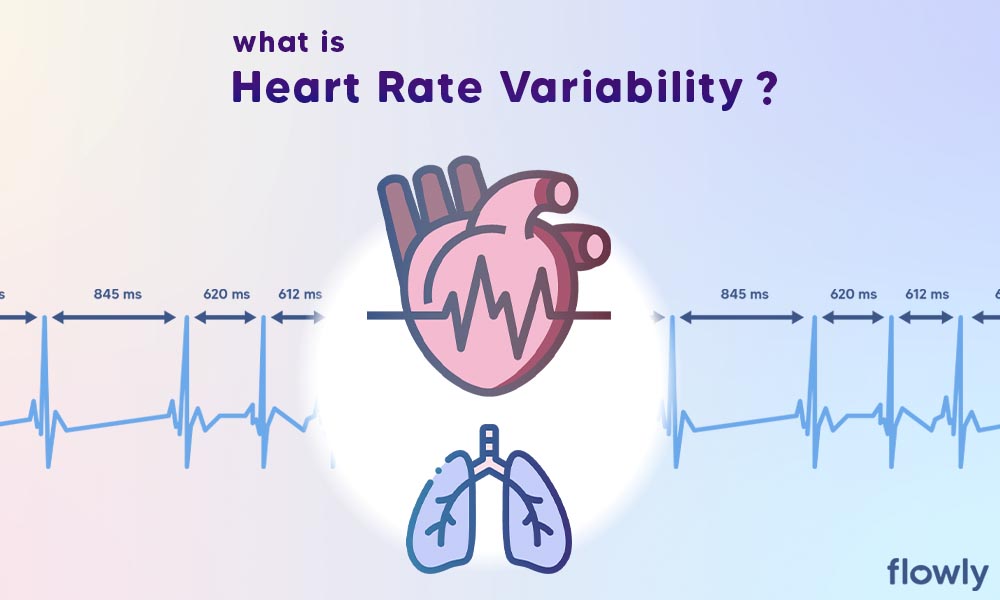
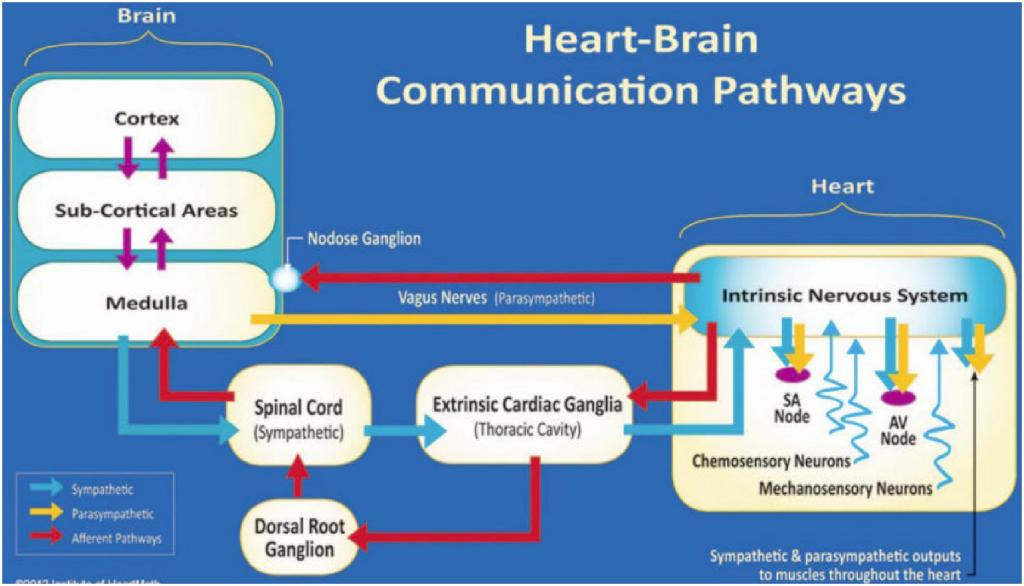
– HRV is simply the variation in time between heartbeats, a window into your autonomic nervous system: sympathetic (“fight or flight”) and parasympathetic (“rest and digest”).
– Many Apps (Whoop, others) lean heavily on HRV as a proxy for parasympathetic activity, then infer how much sympathetic stress you’re under from training, food, alcohol, emotions, and daily life.
HRV Noise vs. Clean data
– “HRV noise” is what happens when your lifestyle is all over the place: irregular sleep, erratic meal timing, alcohol, big stress swings, and inconsistent training habits.
– In that noisy environment, a low or high HRV score after a workout doesn’t tell you much; you can’t reliably connect changes in HRV to specific training or recovery decisions.
Be like Jane, not Tarzan
– Jane, with a baseline HRV of around 100 and a tight 15% range, can see a 10% drop after a big deadlift PR and know her nervous system is adapting to that stress.
– Tarzan, with a higher baseline HRV around 180 but a chaotic 40% range and weekend alcohol and food swings, gets impressive numbers but almost no actionable insight.
How to reduce HRV noise
– Sleep: Go to bed and wake up at consistent times to stabilize your circadian rhythm; even shifting bedtime by an hour or two can nudge HRV in the wrong direction.
– Nutrition: Eat in predictable windows, match calories to your goals, moderate (or eliminate) alcohol, and reduce inflammatory, ultra‑processed foods that keep your nervous system chasing digestion.
– Hydration: Drink regularly across the day, favoring water and in some cases, electrolyte‑containing fluids while limiting heavy diuretics and sugar‑loaded drinks.
– Supplements: Be skeptical of anything marketed as an HRV booster; use supplements to fix real problems (sleep, nutrient gaps), not to game a score.
– Mindset: How you react to daily frustrations can push your nervous system toward chronic sympathetic overdrive; learning to downshift that response is part of real recovery.
The Real Goal
– You may never dramatically change your “genetic” ceiling for HRV, and forcing a higher number might not be worth the rigidity it takes.
– What you can change is how steadily you handle allostatic load, the accumulated stress from training and life, so HRV becomes a useful guide for when to push harder and when to back off.
In other words: don’t chase a higher HRV; build a consistent baseline, let the devices and Apps (Apple Watch, Polar, Kubios, Whoop, others) help you see patterns, and the right kind of HRV increase will take care of itself.
Tracking Heart Rate Variability (HRV)
Tracking Heart Rate Variability (HRV) with your Apple Watch can be a valuable tool for understanding your health and performance. Here are some tips and insights from Redditors on how to make the most of this feature:
Accurate HRV Measurement with the Apple Watch
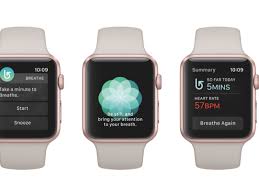
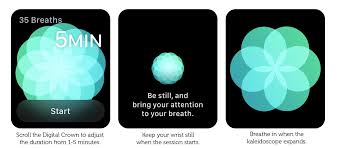
- Use the Breathe App: The most accurate way to measure HRV on your Apple Watch is by using the Breathe app. Make sure to keep your arm still and breathe normally during the measurement. “Take a manual HRV reading by using Breathe feature in mindfulness app on watch. Make sure to breathe normally, otherwise HRV will be inflated.”
- Overnight Tracking: For consistent and reliable HRV readings, wear your Apple Watch overnight. This provides a more stable baseline due to less movement and controlled conditions. “The metrics during sleep are incredibly valuable.”
- AutoSleep: My personal favorite monitors sleep patterns and cardiac parameters, including HRV (and no subscription 😍)
Understanding HRV Trends
- Focus on Trends, Not Individual Readings: Individual HRV readings can fluctuate significantly. It’s more important to track trends over time rather than focusing on single measurements. “HRV is not a constant number. What you’re looking for is more of an average and then how that average increases or decreases depending on illnesses, training, fatigue, medications etc etc.”
- Baseline and Fluctuations: Understand that HRV can vary widely. Establishing a personal baseline and monitoring deviations from it can help you gauge your health and readiness for activity. “Everyone has his own HRV and reference point. It depends on many factors. Some of which you can’t control.”
Enhancing HRV Tracking
- Enable AFib History: Turning on AFib history in Apple Health can increase the frequency of HRV readings, providing more data for better insights. “One tip if you want more frequent hrv readings – turn off irregular rhythm notifications and turn on afib history.”
Sources
Video – Dr Doherty: Can You Trust Your HRV?
https://www.mdpi.com/1424-8220/25/14/4415
Kubios HRV – Daily Readiness App (free)
https://apps.apple.com/us/app/kubios-hrv-daily-readiness/id1463040412
 Dr Bob, Brain Mechanic